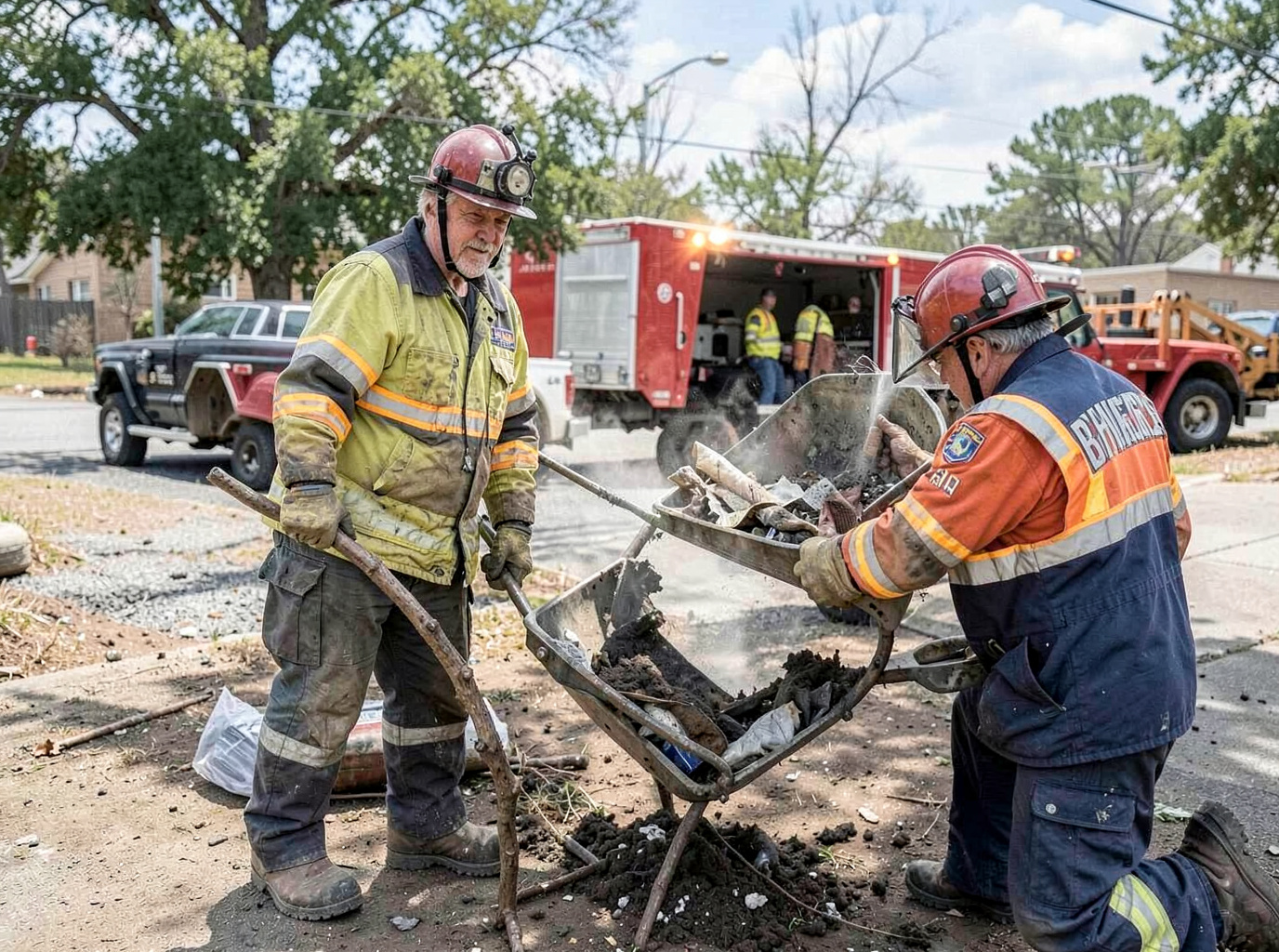
Older housing stock in neighborhoods like Downtown Attleboro and Briggs Corner often features hardwood floors, plaster walls, and tight crawl spaces that absorb fluids quickly during a biohazard event. Winter freezes in Bristol County can lock blood or waste into subflooring until spring thaw, requiring full removal rather than surface cleaning to prevent odor return once temperatures rise again. Crews must account for how humid summers accelerate bacterial growth in South Attleboro basements where moisture lingers after heavy rains.
Porous materials common in Hebronville and North Attleboro properties demand targeted disposal protocols because standard household cleaners fail to reach embedded pathogens. Technicians test affected drywall and carpet padding on site rather than assuming visible stains represent the full extent of contamination. Work in these areas also requires careful coordination around narrow streets and shared driveways that limit equipment staging.
Nearby cities such as Taunton and Mansfield present similar older-home challenges, but Attleboro’s mix of Victorian-era and mid-century builds adds extra variables like knob-and-tube wiring that can be damaged during heavy equipment use. Cleanup teams document every layer removed so property owners can verify the work meets local health expectations without relying on third-party inspectors.
Technician insight
In Attleboro the thing that catches most people out with biohazard cleanup is how quickly winter cold locks fluids into the wide plank floors common in Downtown and Hebronville homes, so what looks contained in January can reappear once the humid continental summer arrives and forces deeper removal.
South Attleboro basement incident
A long-unnoticed event in a South Attleboro home left fluids that had seeped under the laundry room floor during a cold snap. We removed saturated subfloor sections and treated the joists once the thaw exposed the full spread. The property was returned to the owner with new flooring installed over the cleaned structure.
Biohazard Cleanup Services We Offer
✓Blood Stain Removal
Targets dried and fresh blood on flooring, walls, and furnishings in Attleboro homes where older plaster and wood absorb deeply.
✓Unattended Death Cleanup
Remediates fluids and odors left after extended decomposition periods common in single-family homes across South Attleboro during winter months.
✓Trauma Scene Remediation
Cleans and restores spaces after violent incidents, focusing on hidden voids in Briggs Corner properties with layered flooring.
✓Infectious Waste Disposal
Removes and transports contaminated materials from Hebronville residences while following Bristol County waste handling rules.
✓Sewage and Bodily Fluid Cleanup
Addresses backups that spread through basements in older Attleboro housing during heavy summer rains.
Biohazard Cleanup Cost in Attleboro, MA
| Service | Typical Range | What Affects It |
|---|---|---|
| Single-room blood cleanup | $600–$1,400 | Higher when fluids reach subflooring in pre-1950 homes |
| Unattended death remediation | $2,000–$4,500 | Increases with decomposition time and odor penetration into walls |
| Trauma scene full-room restoration | $1,800–$3,800 | Driven by volume of material removal and disposal fees |
| Sewage biohazard extraction | $900–$2,200 | Higher after heavy rains when basement flooding spreads further |
Ranges are typical for Attleboro, MA and confirmed with an exact written quote before any work starts.
How it works
- 1
Initial Assessment
Technicians inspect the full affected area in the Attleboro property, noting materials and access points before any work begins.
- 2
Containment Setup
Barriers and negative air are established to prevent cross-contamination into unaffected rooms or neighboring units.
- 3
Removal And Cleaning
Porous materials are extracted and surfaces are treated with appropriate agents suited to the specific biohazard present.
- 4
Verification And Restoration
Final checks confirm the space meets safety standards before returning access to the owner.
Pricing
Costs depend on the volume of affected materials, access difficulty in older homes, and seasonal conditions that affect fluid spread.